
Tree Services We Connect You With in Augusta
Whether you have a towering loblolly pine threatening your roof, storm-damaged water oaks across your driveway, or overgrown Bradford pears close to power lines, we connect you with local arborists and tree crews who know Augusta's tree canopy, soil, and permit requirements.
Not sure what service you need? Call for a free assessment.
(888) 217-7987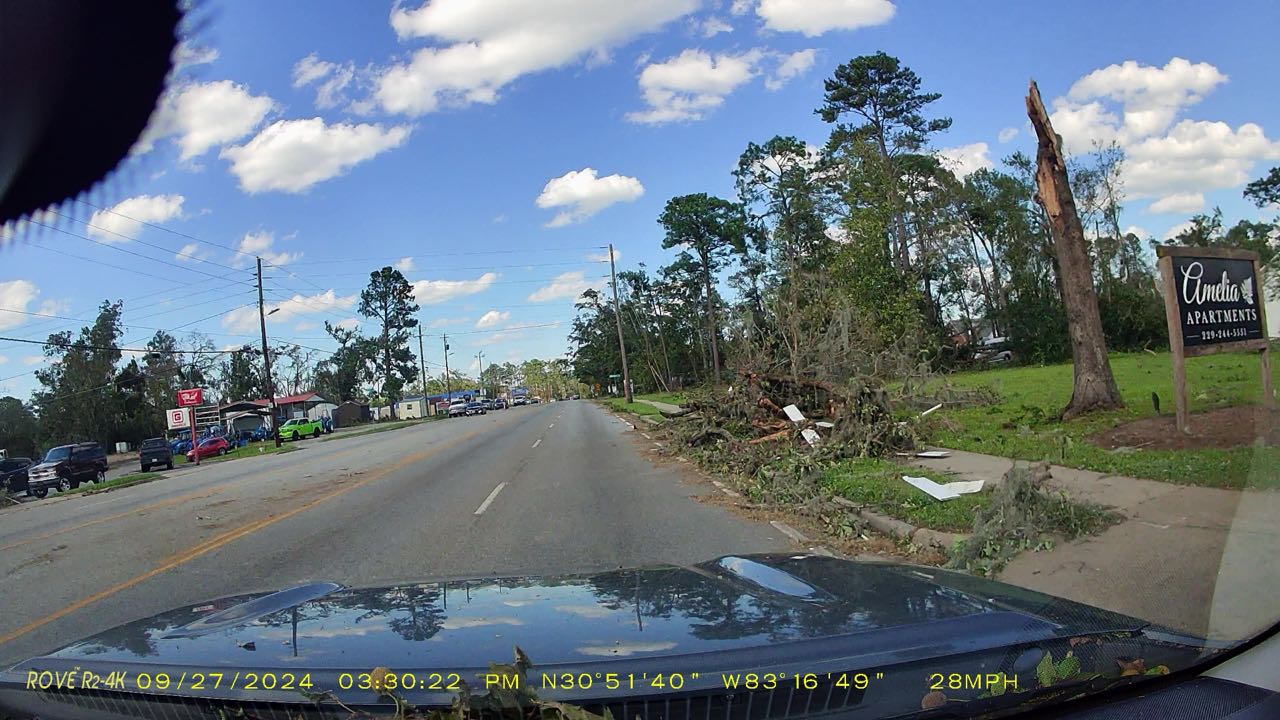
Why Augusta Homeowners Need Local Tree Expertise
The CSRA's climate produces some of the Southeast's most challenging tree hazards. Loblolly pines — which dominate the sandy soils of West Augusta, Grovetown, and Columbia County — are notorious for shallow root systems that fail in saturated ground. After heavy rains or a major storm, a 70-foot loblolly can uproot silently overnight.
Augusta's older neighborhoods — Summerville, Forest Hills, Harrisburg, and the Hill — are lined with mature water oaks and willow oaks that can exceed 100 years in age. These hardwoods provide shade and character, but their limbs become brittle with age and break without warning. A competent local arborist knows the difference between a tree worth preserving and one that's quietly dying from the inside.
Georgia Power maintains strict line-clearance standards for trees within 10 feet of distribution lines. Homeowners are responsible for trees on their property that threaten utility lines — and improper trimming near live lines is both dangerous and potentially a code violation. The contractors in our network are experienced with coordination-required utility-adjacent work.
Service Areas Across the CSRA
Our network covers Augusta-Richmond County and the wider Central Savannah River Area:
Augusta Tree Permits: What You Need to Know
Tree removal in Augusta-Richmond County is regulated by the city's Urban Tree Canopy protection ordinance. Generally, permits are required for the removal of trees above certain size thresholds on residential properties — particularly on corner lots or in designated tree protection zones. Trees in the right-of-way are City property and require separate approval.
The city has historically required mitigation (replacement planting or a fee) for significant tree removal under the Unified Development Code. Specific thresholds and exemptions — such as dead, diseased, or emergency-hazard trees — change with code revisions. Before any removal, confirm current permit requirements with the Augusta-Richmond County Planning & Development Department at (706) 821-1796.
The licensed contractors we connect you with are familiar with local permit processes and can advise on whether your specific job requires a permit.
Richmond County, GA recorded 137 storm events between 2015 and 2024, with an estimated $500+ million in county property damage over that decade — almost entirely driven by Hurricane Helene in September 2024 (NOAA Storm Events Database, 2024).
Hurricane Helene produced an 82 mph wind gust at Augusta Bush Field and 12+ inches of rainfall across the CSRA — classified as a once-in-500-year precipitation event in Richmond and Columbia counties (National Weather Service Columbia, 2024).
Augusta city officials reported removing approximately 17,000 fallen trees from city rights-of-way following Helene, with total public infrastructure costs of roughly $87 million submitted to FEMA (Augusta city officials / FEMA public assistance records, 2024–2025). See our full Augusta storm damage statistics page.
Augusta's Tree Problem: Loblolly Pines and Storm Season
No tree species causes more property damage in the Augusta area than the loblolly pine (Pinus taeda). It's the most common tree in Richmond, Columbia, and McDuffie counties — fast-growing, economically valuable in the timber belt, but structurally risky near homes. In wet conditions, loblolly roots release from the sandy loam soils common from Grovetown to Hephzibah, and a 60–80 foot tree can fail with almost no warning.
Hurricane Helene's September 2024 path brought Category 1–3 force winds across the CSRA even before the storm made landfall farther south. The rainfall preceding Helene — several inches in 24 hours — saturated soils across Richmond and Columbia counties, setting up the mass loblolly failures that crews documented for weeks afterward. Water oaks, sweetgums, and willow oaks also sustained major crown damage.
If you have loblolly pines within two tree-lengths of your house, an annual inspection by a qualified arborist is worth the cost. The contractors we work with provide hazard assessments alongside removal quotes.
Research & Local Information
Homeowners often want data before they call. We've published two detailed reference resources for the Augusta area:
- Augusta GA Storm Damage Statistics (2015–2024) — NOAA-sourced event counts and property damage figures for Richmond County and Columbia County, with Hurricane Helene headline data.
- Georgia Tree Removal Permit Requirements — Plain-English guide to Augusta-Richmond County's tree ordinance: when you need a permit, the residential exemption, Landmark Tree protections, and emergency exemptions.
Common Questions
How much does emergency tree removal cost in Augusta, GA?
Emergency tree removal in Augusta typically runs 20–40% above standard pricing. Standard ranges: small trees under 30 ft ($300–$600), medium trees 30–60 ft ($600–$1,400), large trees 60–80 ft ($1,400–$2,500), very large/near-structure trees 80+ ft ($2,500–$4,500+). Post-storm emergency premiums of $300–$600 above these ranges are common during demand surges. See our full tree removal cost guide for a complete breakdown.
Do I need a permit to remove a tree in Augusta, GA?
Most homeowners on lots of 1 acre or less do not need a permit — you can remove up to 5 non-Landmark trees per calendar year without one under the residential exemption. Emergency and storm-damaged tree removals are also exempt from permit requirements. Landmark Trees (designated by the Augusta Tree Commission) require approval regardless of lot size. See our full Georgia tree removal permit guide or call Augusta Planning & Development at (706) 821-1796.
What storm damage has Augusta GA experienced in recent years?
Hurricane Helene struck the Augusta CSRA on September 27, 2024 — the most damaging storm event in the region's recent history. Richmond County recorded $500 million in property damage (NOAA Storm Events Database). Augusta removed approximately 17,000 fallen trees from city rights-of-way. Beyond Helene, the NOAA database records 137 total storm events in Richmond County from 2015–2024. See our Augusta storm damage statistics page for the full data.
Will insurance cover tree removal after a storm in Augusta?
Standard Georgia homeowner policies (HO-3) typically cover removal of a tree that has fallen on and damaged a covered structure. A tree that fell in the yard without hitting a structure is usually not covered. Proactive removal of a standing hazard tree is almost universally excluded. Document damage with photos before work begins and call your insurer before authorizing work if possible.
How quickly can a tree be removed in Augusta after a storm?
In normal conditions, contractors in our network can typically respond within 2–4 hours for life-safety emergencies (tree on occupied structure). Non-emergency scheduled removals are typically available within 3–7 business days. During major storm events like post-Helene, demand surges extend all timelines significantly — call as early as possible to secure your place in queue.
What is the most dangerous tree type in Augusta GA?
Loblolly pine (Pinus taeda) causes more property damage in the Augusta area than any other species. Its shallow root system — rarely deeper than 18–24 inches in Augusta's sandy loam soils — releases en masse when soil saturates. Augusta's pre-Helene rainfall saturated soils before the winds arrived, explaining the catastrophic loblolly failure rate. If you have loblolly pines within 1.5–2 tree-lengths of any structure, a hazard assessment is worthwhile.
Get a Free Tree Removal Estimate Today
Call now to be connected with a licensed, insured tree service contractor in the Augusta area.
Call (888) 217-7987 — Free EstimateAlso serving Evans GA, Martinez GA, Grovetown GA, and North Augusta SC.